Aircraft reliability and minimal maintenance delays:
Flight Stars has a fleet of four DA42 aircraft powered by an in-house, Diamond Certified maintenance facility. While on most multiengine course maintenance delays are expected, at Flight Stars maintenance delays are a rarity of non-existent. Students come to us because of our ability to provide reliable and efficient training that in turns translates to cost savings and checkride success for our students.
DPE abundance and checkride availability:
At Flight Stars we only schedule your training once your checkride is secured and scheduled. Because of our extensive DPE collaborator network we are able to offer our students with choices regarding Checkride dates rather than our students having to just accommodate to waiting for a date of examination. This translates to reliability and predictability about the time you will spend getting your multiengine rating and also ensures that the time you spend in the air is timed perfectly with your checkride to maximize success and reduce extra flight time. In other words, assist our students for maximum proficiency on checkride date while also saving them as much money as possible.
Now, the multiengine rating program is where pilots step out of familiar territory and into aircraft that demand sharper judgment and tighter control. Flight Stars built this program around a structured environment that reflects how multiengine flying actually works, not how it looks on paper.
Every phase of training is meant to prepare pilots for complex systems and higher responsibility.
Moving Beyond Single-Engine Limitations
Single-engine flying teaches fundamentals, but multiengine aircraft introduce a different level of responsibility. Power coordination, systems management, and engine-out awareness become everyday considerations rather than emergency topics.
The multiengine rating program at Flight Stars helps pilots adjust to this shift through progressive training flights and detailed briefings. Instead of rushing through maneuvers, instructors focus on helping pilots understand how twin-engine aircraft respond in real conditions. This foundation allows pilots to operate with confidence instead of hesitation.
A Structured multiengine Training Program
Flight Stars follows a structured training format that includes the DA42 Evionica Course for aircraft systems, two educational series about Multiengine Aerodynamics and Diamond DA42 Maneuver profiles, a FREE Diamond DA42 Deep Dive by Pilot Institute ground instruction and flight time. Pilots move through the program with a clear understanding of what each lesson builds toward.
Training includes:
● Ground sessions focused on multiengine systems and performance.
● Flight lessons centered on power management and control.
● Practice of normal, abnormal, and engine-out procedures.
● Instructor-led debriefs after every flight.
This structure mirrors professional training environments and helps pilots stay focused and organized.
Diamond DA42 Aircraft Training at Flight Stars
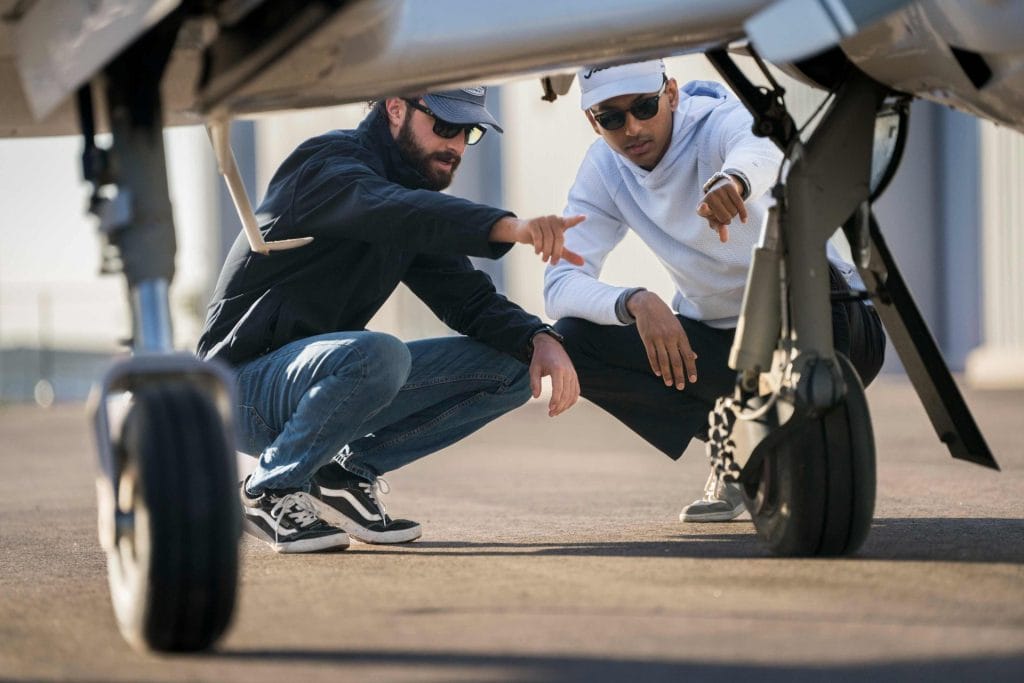
Flight Stars conducts multiengine training using the Diamond DA42, a modern twin-engine aircraft widely used in professional pilot training. The DA42 gives pilots experience with advanced avionics and efficient twin-engine performance.
Pilots train in a cockpit environment that reflects what they will encounter later in advanced aircraft. The aircraft supports smooth handling, realistic engine-out training, and strong situational awareness. This type of knowledge makes it a solid platform for pilots transitioning into multiengine flying and its ease of Flight reduces workload so the student can focus on the most essential information related to the training itself.
Training Hours That Build Real Skill
The multiengine rating program at Flight Stars includes structured flight hours designed to reinforce learning rather than rush progress. Pilots spend meaningful time in the aircraft practicing power changes, asymmetric thrust handling, and emergency procedures.
Each hour in the cockpit builds familiarity and confidence. Instead of repeating the same exercise without purpose, instructors guide pilots through scenarios that connect directly to real flying situations. This helps pilots develop habits that last beyond training.
Learning Through Real Flight Scenarios
Flight Stars places strong emphasis on scenario-based training. Pilots work through situations that mirror what actually happens during multiengine operations.
Scenarios focus on:
● Engine failure recognition and response
● Performance management during a climb and cruise
● Workload management in busy airspace
● Clear communication and checklist discipline
This style of training helps pilots stay calm and organized when things do not go exactly as planned.
Instructor Experience That Shows in the Cockpit
Instructors at Flight Stars bring hands-on multiengine experience into every lesson. Their teaching style stays practical and grounded, focusing on what pilots need to know in the air.
Pilots receive guidance that explains not just how to perform a maneuver, but why it matters. Instructors correct habits early and reinforce excellent decision-making, helping pilots sharpen both skill and judgment.
A Training Environment Built Around Professional Standards
Flight Stars operates as a multiengine training center with clear expectations and consistent operations. Aircraft availability, scheduling, and instruction follow a rhythm that supports steady progress.
The environment in which pilots train emphasizes the importance of preparation and the efficient use of aircraft time. This professionalism helps pilots develop discipline and confidence as they move through the program.
Preparing for Advanced Aviation Paths
Many pilots pursue a multiengine rating as part of a larger aviation goal. Flight Stars understands this and designs its program to support future certifications and professional opportunities.
The training emphasizes aircraft management, situational awareness, and aeronautical decision-making. These skills align closely with expectations in charter operations, advanced flight training, and professional cockpit environments.
Developing Strong Decision-Making Skills
Multiengine flying requires pilots to think ahead and prioritize actions quickly.
Flight Stars trains pilots to assess situations calmly and respond with clarity.
Pilots learn how to evaluate aircraft performance, manage systems efficiently, and maintain control during high-workload moments. This mental discipline becomes one of the most valuable outcomes of the program.
Safety-Focused Trained Philosophy
Safety is central to how Flight Stars conducts multiengine training. Instructors reinforce safe operating practices during every lesson.
Pilots are trained to recognize developing risks early, communicate clearly, and manage systems with intention. This approach builds confidence and reinforces habits that support long-term safe flying.
Skills That Carry Into Everyday Flying
The multiengine rating program at Flight Stars prepares pilots for more than a checkride. Skills developed during training translate directly into real-world flying.
Pilots leave with improved aircraft control, stronger situational awareness, and confidence operating twin-engine aircraft. These abilities support continued growth and advanced aviation opportunities.
Why Pilots Choose Flight Stars
Pilots choose Flight Stars because the training feels grounded and purposeful. Reliable and modern aircraft, structured programs, DPE and Checkride availability, and experienced instructors creates a learning environment that supports pilot’s careers in an effective, efficient and cost effective way. Pilots choose flight stars because beyond multiengine training, we offer a flight experience.
Flight Stars combines professionalism with practical instruction, helping pilots grow into capable multiengine aviators.
Conclusion
The multiengine rating program at Flight Stars delivers focused efficiency, consistency, reliability and results. Flight Stars uses the Diamond DA42, structured instruction, and scenario-based training to prepare pilots for complex multiengine operations. This program builds confidence, judgment, and skill that extend beyond training flights. For pilots ready to advance,
Frequently Asked Questions About Why Pilots Choose Flight Stars for Their multiengine Rating Program:
1. Do you offer and accelerated course? How long does it take to get your multiengine rating?
Yes we do. Our course is designed to take between 9 to 10 days but if you have a special request we can accommodate for you to do it as quickly as 5 days.
2. Will I start my training and then not have a checkride?
No. we will only start your training with your checkride’s date and time already scheduled.