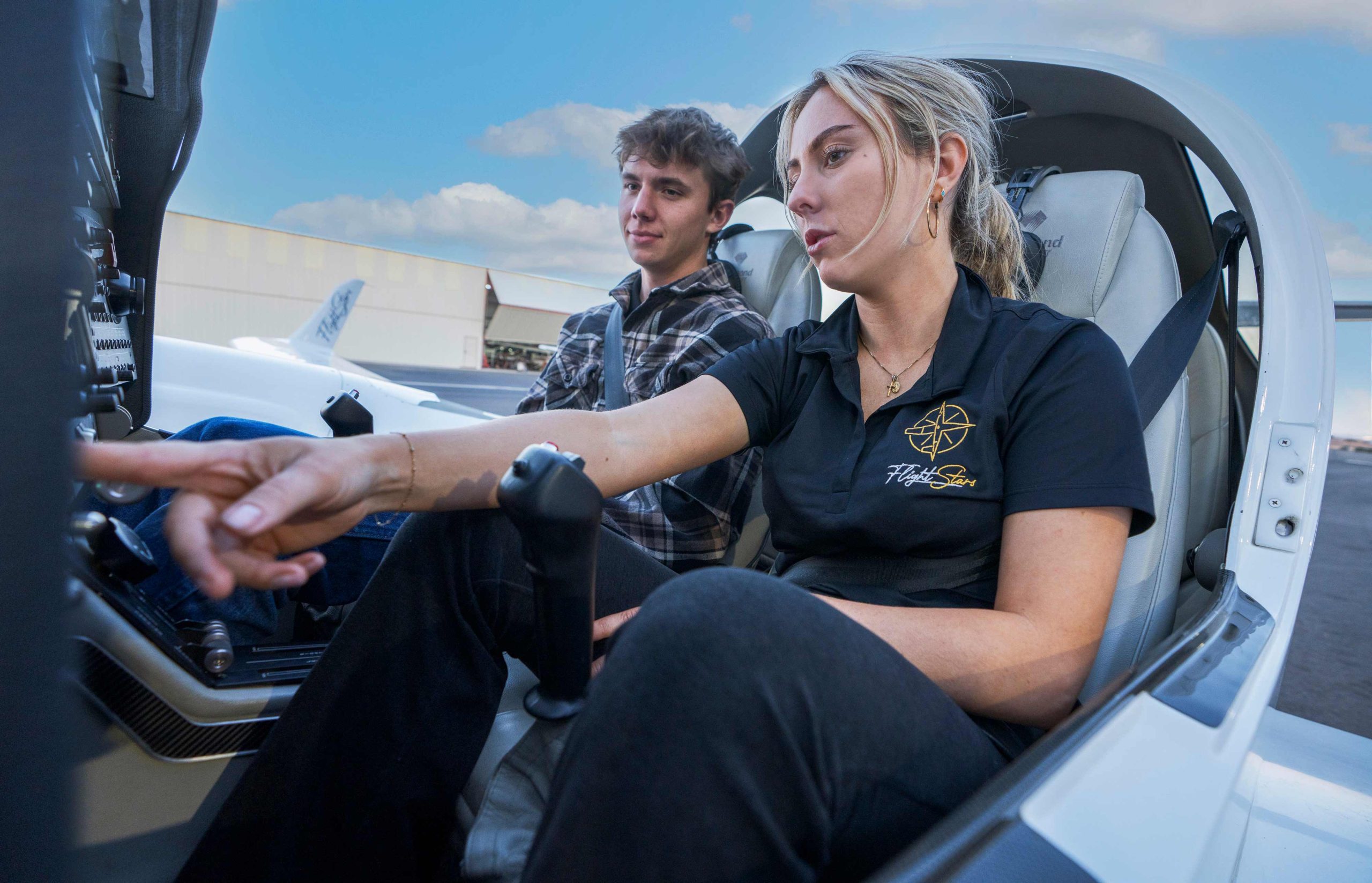
Getting a multiengine rating is not just another feather in the hat but a coveted milestone that every pilot wishes to achieve. Multiengine training comes with a unique set of challenges to improve and test the essential capabilities of becoming a more qualified pilot. At Flight Stars, we streamline the process between a pilot and their ambition.
Why Multiengine Training Is in Demand
“Getting the multi,” as they say in the pilot business, comes with many benefits, especially in terms of career. With a worldwide shortage of qualified pilots, airlines are required to hire pilots with advanced training and certifications. The “multi” milestone equips pilots to deal with complex situations and intricate aircraft, which contribute to higher levels of proficiency, experience, and qualification.
Let’s look at some data.
Statistics on Pilot Shortage
Due to the COVID-19 pandemic and many other reasons, there is a pilot shortage all over America. Airlines are aggressively hiring and offering significant pay to attract and retain pilots.
- According to a forecast by Boeing, over the next 20 years, North America will need roughly 123,000 new commercial pilots.
- According to the FAA’s 2024-2044 Aerospace Forecast, the United States will continue to have personnel shortages into the 2040s, requiring the training of 123,000 pilots.
Multiengine Training: Specific Challenges
Before diving into the training challenges and how you can overcome them, let’s look at why multiengine training is demanding.
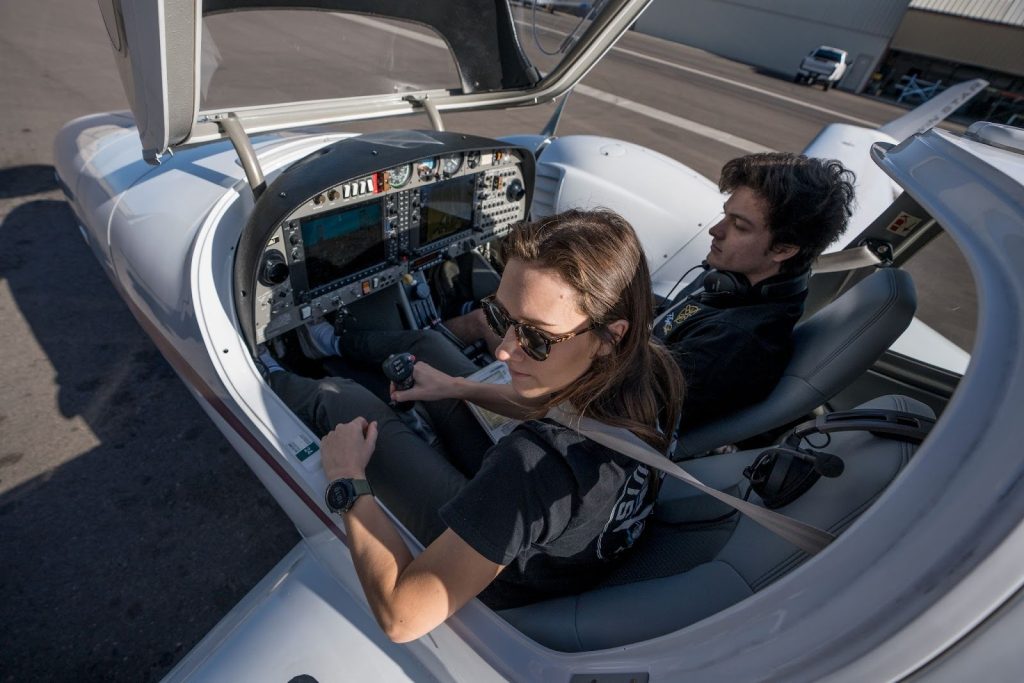
From mastering new techniques to honing your skills under pressure, every challenge in the multiengine pilot training will bring you opportunities for growth and learning. Throughout your multi-training, you understand your strengths and weaknesses and discover where you need to level up.
1. Mastering Asymmetric Thrust and Engine-Out Procedures
In the multiengine flight training, asymmetric thrust and engine-out procedures are the core of the pilot training. A failed engine creates an immediate aerodynamic imbalance. Learning to understand how to maintain a stable flight path and land safely is essential.
How Flight Stars Helps
- Simulated Engine-Out Training from Day One: At Flight Stars, we introduce you early to the asymmetric thrust concepts and engine-out procedures so you have a mental preparation.
- Graduated difficulty: We gradually increase difficulty from partial failure to full shutdown over time so you can build your endurance incrementally.
- Standardized checklists and flows: Every pilot at Flight Stars is required to demonstrate checklist skills and their ability to use them, alongside flows, in any situation.
2. Systems Management and Complexity
Multiengine aircraft have more sophisticated systems, including advanced electrical, hydraulic, and fuel systems. Multiengine aircraft training requires extensive knowledge and attention from the pilot.
How Flight Stars Help
- Hands-on cockpit procedural drills: In an in-flight scenario, your flight instructor will walk you through the problems and examine your decision-making
- Simplified aircraft choice: Flight Stars uses the advanced Diamond DA42, which is easier to fly despite many intricate features.
- Progressive automation: We don’t bombard you with info; we space out the lessons and build upon them.
3. High Workload and Crew Resource Management
The workload of training on a multiengine aircraft is way more than that of a single-engine aircraft. You have to manage radios, navigation, performance planning, and potential emergencies while also maintaining control of an advanced aircraft.
How Flight Stars Helps
- Workload management techniques: From the very get-go, Flight Stars teaches you task prioritization and timely delegation of non-essential tasks that have real-world impact in making you a better pilot.
- The Diamond DA42: The simplicity and flyability of the Diamond DA42 greatly reduce workload, so you can concentrate on the challenges in front of you.
- Scenario-based training: We introduce real-world complexities into your training so that there are no unpleasant surprise elements.
- Consistent instructor guidance: The Flight Stars instructors monitor every step and gradually give you control when they feel you are ready.
- Structured cross-checking and automation use: We teach you when to use autopilots, indications, and checklists to lighten your burden.
4. Transitioning Speed and Performance
Multiengine aircraft, especially twin-engine models, are more advanced than single-engine aircraft. So they fly faster than typical single-engine trainers. Many pilots face difficulties with this transition regarding speed control, spacing, and energy management.
How Flight Stars Helps
- Energy awareness training: You will be trained to manage energy in terms of trade speed, when to hold, and when to adjust power smoothly.
- Step-by-step speed progression: We let you get used to flying slower segments first and then gradually increase speed as your confidence and skill grow.
- Use of the DA42’s forgiving handling: We use the most maneuverable and easy-to-fly aircraft of its class, so you can put effort into fully understanding and planning for these new speeds.
How Flight Stars Structures Its Multiengine Training Programs
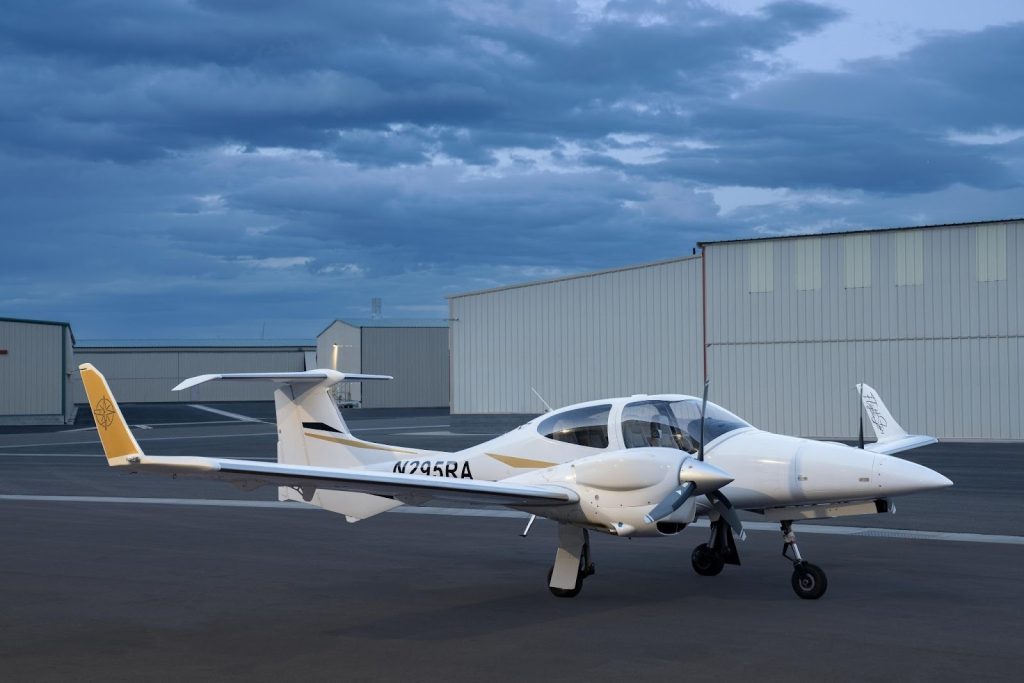
To understand how Flight Stars can help you become the best version of yourself as a pilot, we need to look at how they structure their multiengine programs.
- Streamlined Program Design
Flight Stars takes pride in itself as a premier multiengine flight school in Mesa, Arizona. We offer all rating options: commercial, private, and MEI multiengine programs. They emphasize cost-effective, time-saving training modules that can provide all-around efficient training.
- Fleet and Maintenance Reliability
The big problem with flight school training is scheduling interruptions, maintenance delays, and inconsistent availability of the twin. Flight Stars addresses this issue by utilizing its in-house maintenance center, which guarantees aircraft availability.
- Expert Instructors and Mentorship
At Flight Stars, we have highly qualified instructors who have deep expertise in multiengine, the ability to recognize individual points of strength and weakness, and help you plan your progress accordingly.
- Transparent Fees and Financing
One of the biggest problems with this training is the unexpected cost factor. Flight Stars offers a simple and transparent fee structure for any budget. This allows you to plan ahead and reduce anxiety.
- DPE and Checkride availability
At Flight Stars, we have fostered great relationships with a group of great DPEs, and that empowers us to provide our students with a variety of options for checkride availability. At Flight Stars, you do not start your training without your checkride scheduled.
Ready to Take Control of the Skies?
Getting your multi is comparatively more challenging than your previous experience with aircraft. However, with the right school, instructor team, and training philosophy, it is not only manageable but also rewarding.
Conclusion
With Flight Stars, every flying session becomes a learning opportunity that helps you unlock your full potential. As Mesa, Arizona’s most trusted flight school, it helps you fast-track your career with the right knowledge and skillset.
Let’s get your multiengine dreams off the ground. Give us a call and take control of your future.
Frequently Asked Questions About Common Multiengine Training Challenges:
Q1. How is a multiengine rating effective for my career?
A1. There is a nationwide shortage of qualified pilots across America. By getting your multi rating, you gain an undeniable edge at job interviews for your advanced skillset. More multi-time, more opportunities.
Q2. What are some of the common challenges of flying a multiengine aircraft?
A2. Some of the most common complexities that pilots face when training on a multi are increased complexities, asymmetrical thrust, and redundancy & failure modes.
Q3. How much does it cost to train with a multiengine?
A3. The cost of training for a multiengine rating varies from one school to another. However, Flight Stars takes pride in presenting a solution for every budget. Their transparent pricing makes things a breeze for new pilots.